The cost of renovating a house in Spain can often be far less than buying one or building a home from scratch.
But as with all property acquisition in Spain, it’s important to know all the facts so you can make an informed decision.
Eco Vida Homes has experience in both building and renovating houses in Spain, and we’re happy to be your guide on this initial phase of assessing your options. Here’s everything you need to consider before renovating a house in Spain.
Why renovating a house in Spain might be better than a new build
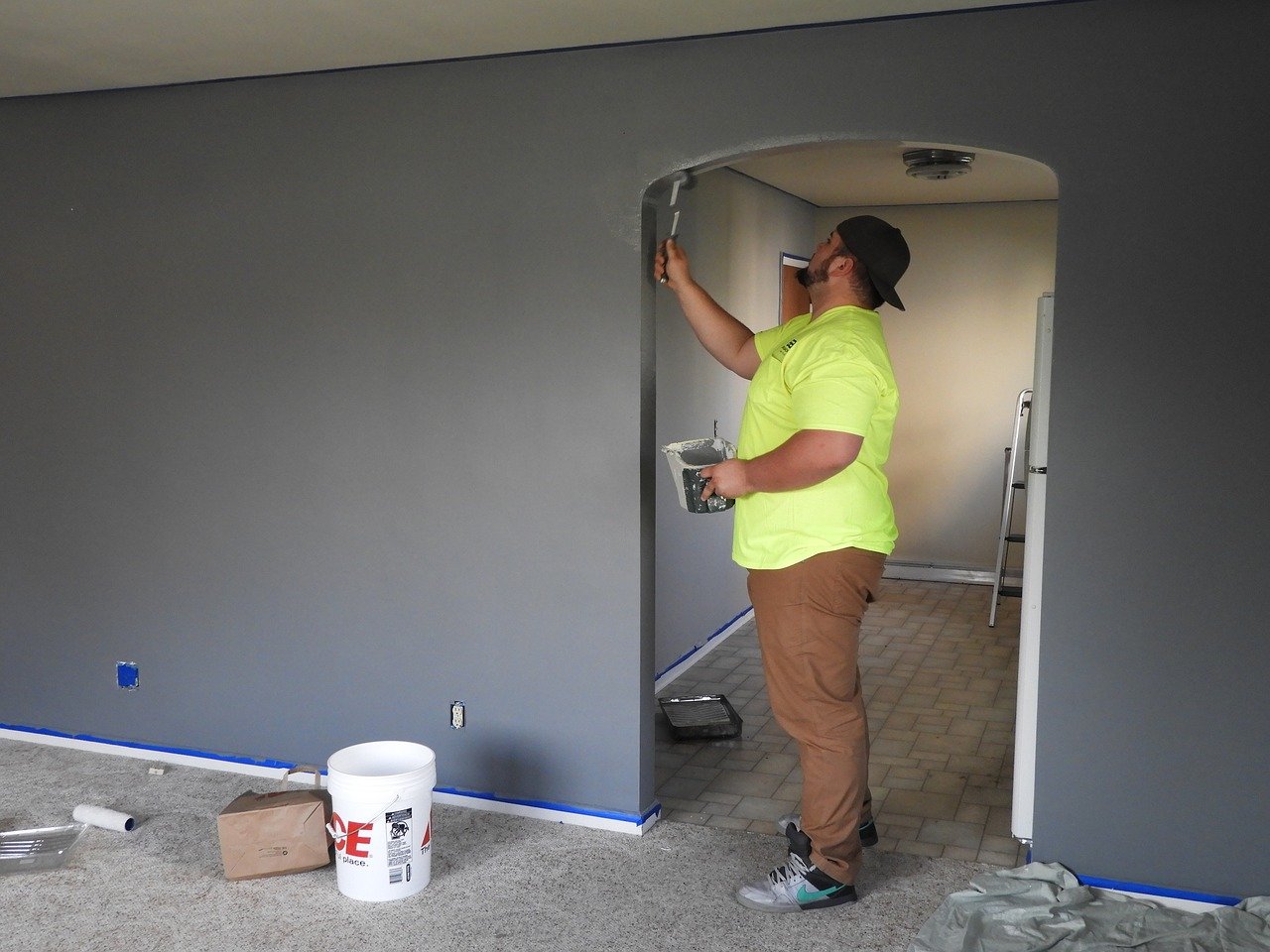
Renovating a property in Spain can be a very attractive proposition considering the increasingly limited number of fresh plots available for new builds.
Availability of good quality land for sale in Spain can depend entirely on a town’s long-term development plans. This not only limits available land, but has also pushed up prices in highly desirable areas.
However, a 1960s or 1970s Spanish villa that needs renovation – or even demolition to build something new on the land it occupied – could be a far simpler and more cost-effective path to the home of your dreams. The owners may perceive the value to be low due to the condition of the property, when in fact the land on its own could be worth more than the price of the villa.
In the Andalucian countryside, for example, renovating a property is the only realistic way to live in a modern, energy-efficient home, as there’s virtually a moratorium on new builds on rustica land (more on this later).
It’s far easier to achieve an energy-efficient house by building one from scratch than it is to renovate. However, renovating will go further to minimise your carbon footprint because of the negative impact on the environment that a new build entails.
The cost of renovating a house in Spain
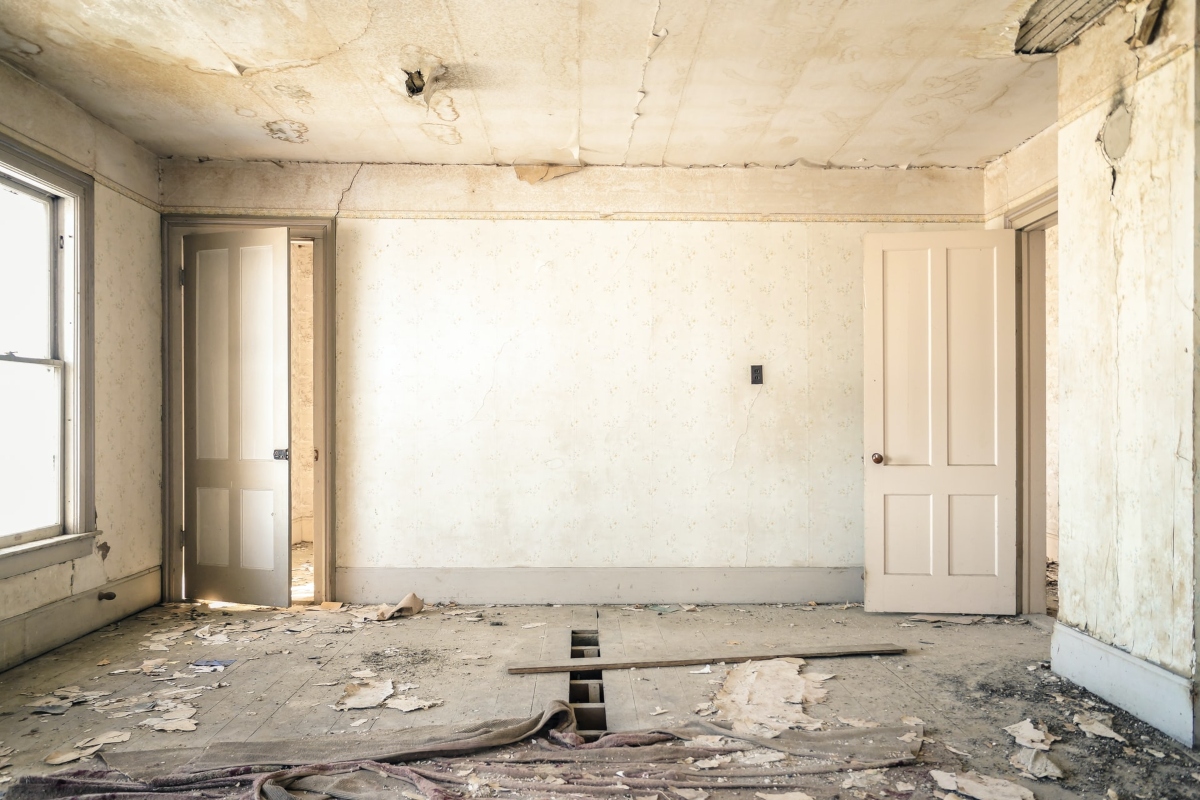
When weighing up the financial benefit of renovating a house in Spain versus building one from the ground up, it’s important to take all the costs into consideration, not just the property price.
The cost of renovating a house in Spain is harder to estimate than the costs of a new build because until you get started, you don’t know what you’re dealing with.
You can expect to pay at least 100% of the purchase price for a moderate project based on a building that’s at least habitable. Of course, for larger projects, you could easily spend more than 1,000,000€ on the renovation.
It’s often only possible to get the most accurate idea of what the renovation would cost once work has started and you can conduct a proper assessment of the structural integrity and foundations of the existing building.
Whatever your budget, you should always leave a margin in your renovation budget to factor in unforeseen issues with the structure or foundation that reveal themselves after work begins.
When gathering quotes to assess the cost of renovating a house in Spain, make sure you take into account site preparation, foundations, professional fees, finishes, installations, landscaping, garden, pool, and taxes. Sometimes these figures are left out of “back-of-the-fag-packet” type estimates and come as an unwelcome surprise down the line.
Always clarify whether you are being given a fixed-price quote for a clearly defined job or an estimate based on the information currently available (which can go up dramatically when the true scope of the project becomes clear). Whatever work is carried out on the renovation should be preceded by a quote and a contract.
Every renovation project is unique. If you’d like to see a breakdown of a recent Spanish home renovation, get in touch for some real-world costs. Eco Vida Homes can also attend viewings of potential renovation properties in Spain on your behalf so we can make estimates and discuss ideas at an early stage.
How much should you pay for a house to renovate in Spain?
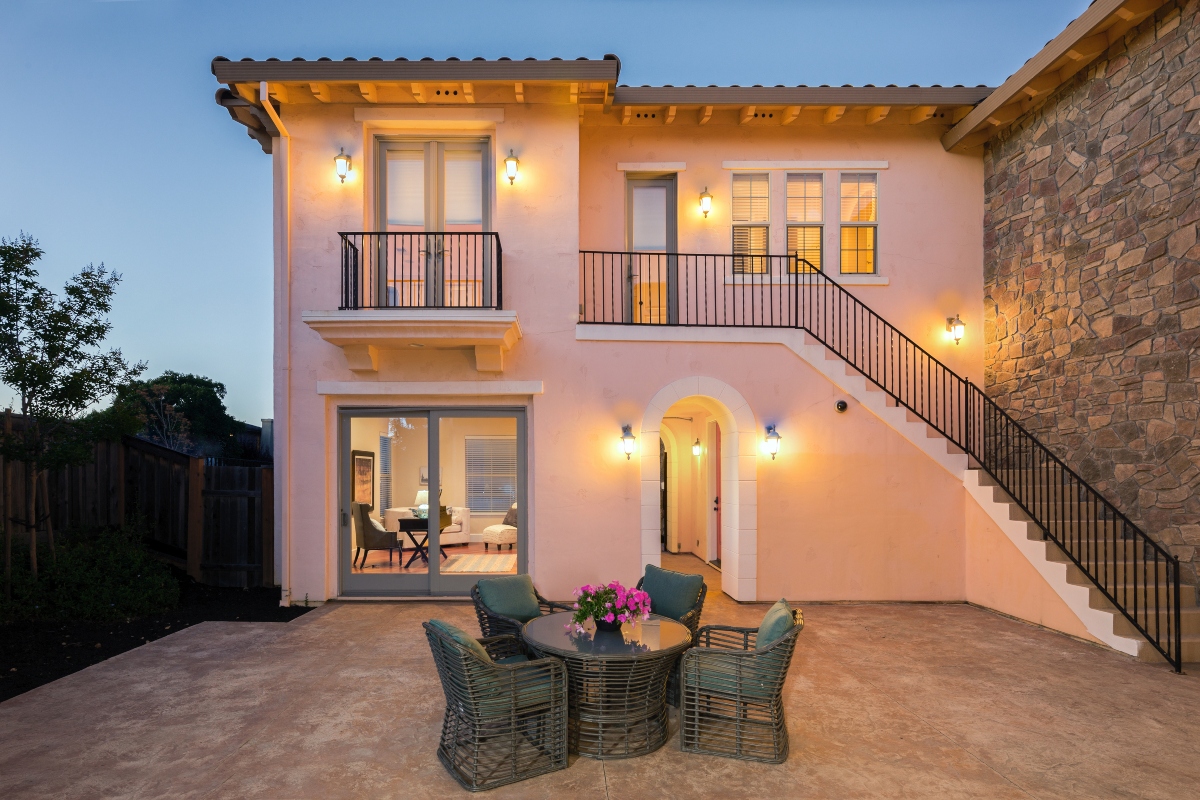
The calculation for what you can afford to pay for a renovation property in Spain is simple (but not necessarily easy):
value of the completed project –
total renovation costs (including professional fees) –
something for your time and effort =
residual value (what you should pay for the property)
Assessing the financial viability of a project in Spain requires getting a lot of evaluations done before you buy. Calculating exactly what you should pay for a house to renovate is only really possible if you have a fully researched and costed specification, otherwise you’re using estimates as your guidelines.
You’ll also want to consider protecting the value of your investment. Eco Vida Homes’ market research targeted at overseas buyers in Spain has revealed that people are prepared to pay between 20% and 30% more for an energy-efficient building.
Fortunately, an energy-efficient renovation needn’t cost any more and it could add substantially to the value of your investment.
How much of the existing structure can you keep?
The amount of the existing building you can use depends in large part on the regulations of local authorities (and its attitude, in many cases).
The amount of the existing building you use will depend on how much of it you want to use, costs and the attitude of the authorities.
There may be aesthetic or historic reasons to preserve elements of a particular building, so it’s important to get these things checked out before you make any big decisions.
You will need a professional opinion about what can be done from an architect in Spain who should inspect the property with his head builder.
But again, they won’t really know the situation without breaking into the foundations and the structure to see what’s there – and that may not be possible before the purchase. Of course, this is one of the riskier elements of purchasing a house to renovate rather than building your home or buying.
Do it yourself, hire a handyman or contract a professional builder?
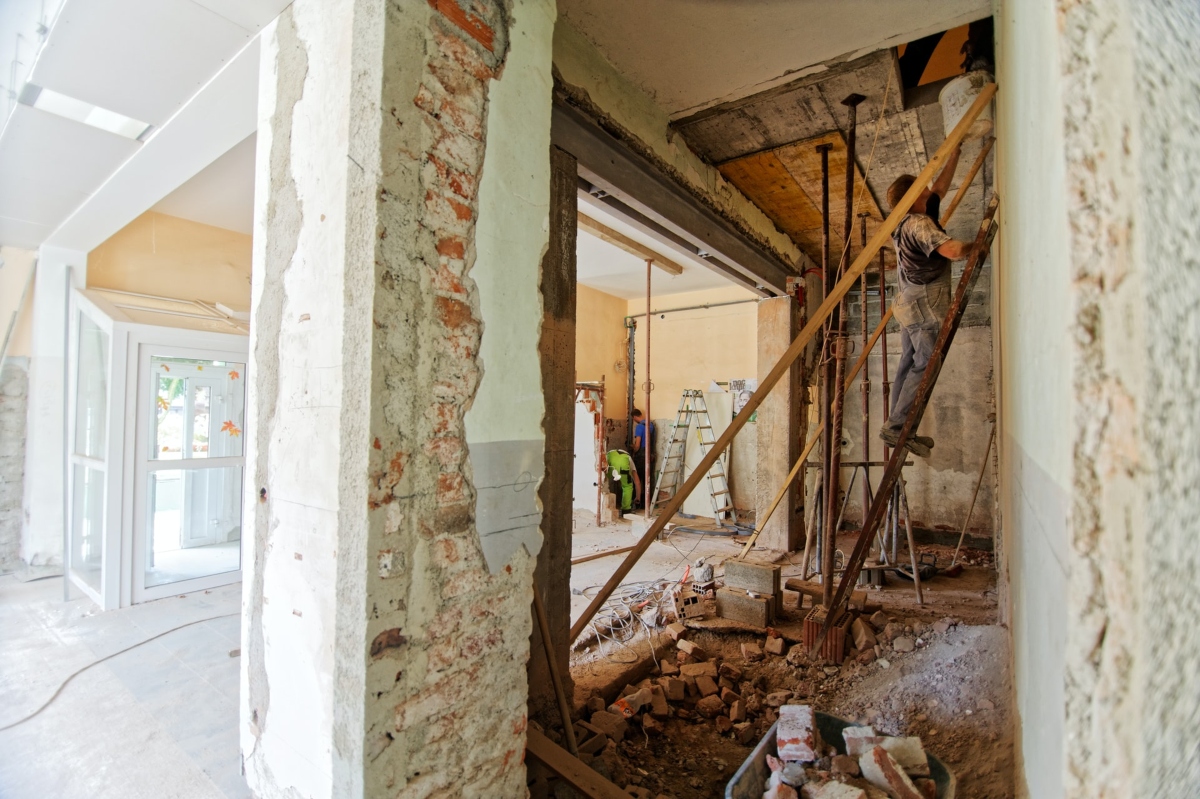
The extent of renovating a house in Spain can vary from tidying up and giving it a lick of paint to re-cladding the inside and out – or even constructing a new load-bearing frame within an old historic structure to allow for modern functionality.
Wherever you choose to renovate in Spain, you will find plenty of local handymen who are out of work and will offer to do the job for peanuts. But beware! To renovate a house properly, certain professional standards must be maintained that a local handyman might not be too bothered about.
By only working to minimum standards, you could be facing freezing winters, boiling summers and even rising damp.
Renovating property in Spain should be an enjoyable experience, so it’s best to work with professionals that speak your language, have a proven track record and can guide you through Spanish regulations.
Renovating the exterior of the house
A country property should sit harmoniously in its surroundings. While modern architecture is popular, it is mainly restricted to urban land so it’s best to think “traditional” when renovating a country house in Spain.
If modern architecture is your bag, then you can still achieve a contemporary feel while being true to the building’s history. In fact, these can be incredibly stylish buildings if done with the proper thought and care. You may be attracted to an old building with character and charm that can be preserved or enhanced.
Expats typically come to Spain to enjoy the wonderful weather, so the outside space is just as important as the inside. In fact, we recommend you design your home for inside/outside living. Use large shaded terraces to protect your building from overheating and design comfortable spaces for barbecues and eating outside.
Building extensions in Spain
If the building is on an urbano plot (land designated for development), the local authorities will have clear rules about how many square metres you can build as a percentage of the total plot area, as well as proximity to boundaries.
In short, if the existing building is smaller than the total area you are allowed to build on, you can probably extend it.
Some things are open to interpretation by the local planning officer (arquitecto municipal), such as whether the basement counts and how deep it has to be buried.
Houses on rústica land (which you generally can’t build on) are almost certainly not possible to extend. Check the square metres permitted within the total plot, because you might find that a previous owner has extended the property illegally.
Falling foul of building regulation carries serious penalties in Spain, and you could be landed with anything from 30,000€ to 600,000€ in fines. So if you’re serious about renovating a house in Spain, ask an architect to make enquiries with the town hall before you buy.
Renovating a house in Spain: How energy efficiency adds value
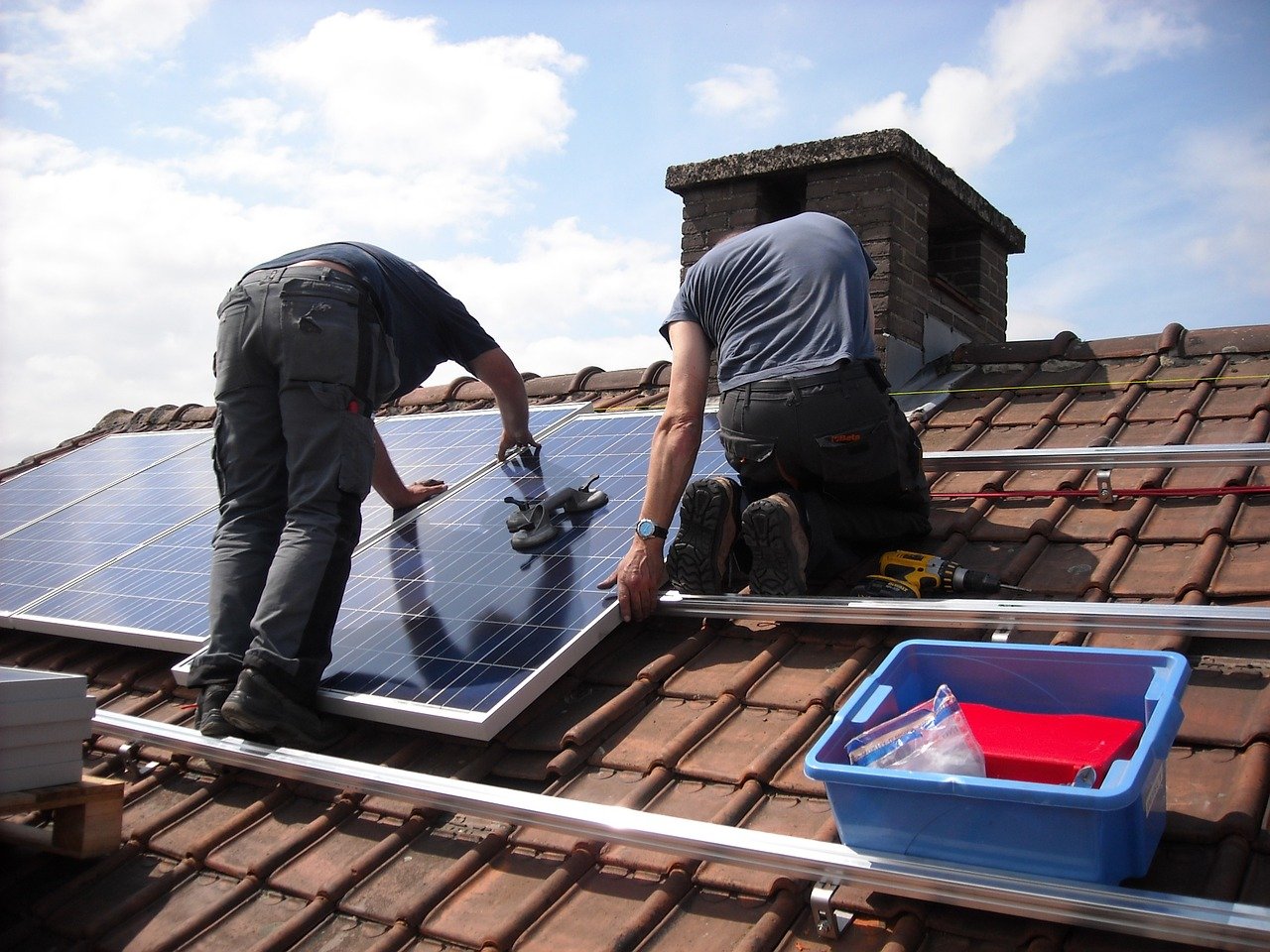
The EU Directive of 2019 states that all new buildings have to be carbon zero. It’s quite likely that buildings that accord with the new code even before 2019 will have a higher value than those that don’t.
An energy-efficient building will be worth more than an energy-inefficient building, so if you want to protect the value of your home you should seriously consider remodelling with energy efficiency in mind.
As of June 2013, no property transfer by sale or lease can be registered by a notary without a CEE (Certificado de Eficiencia Energetica). This energy certificate will result in a bar chart banding of the property. The objective is that purchasers will attribute a higher value to a better-banded property because of the energy savings associated with it.
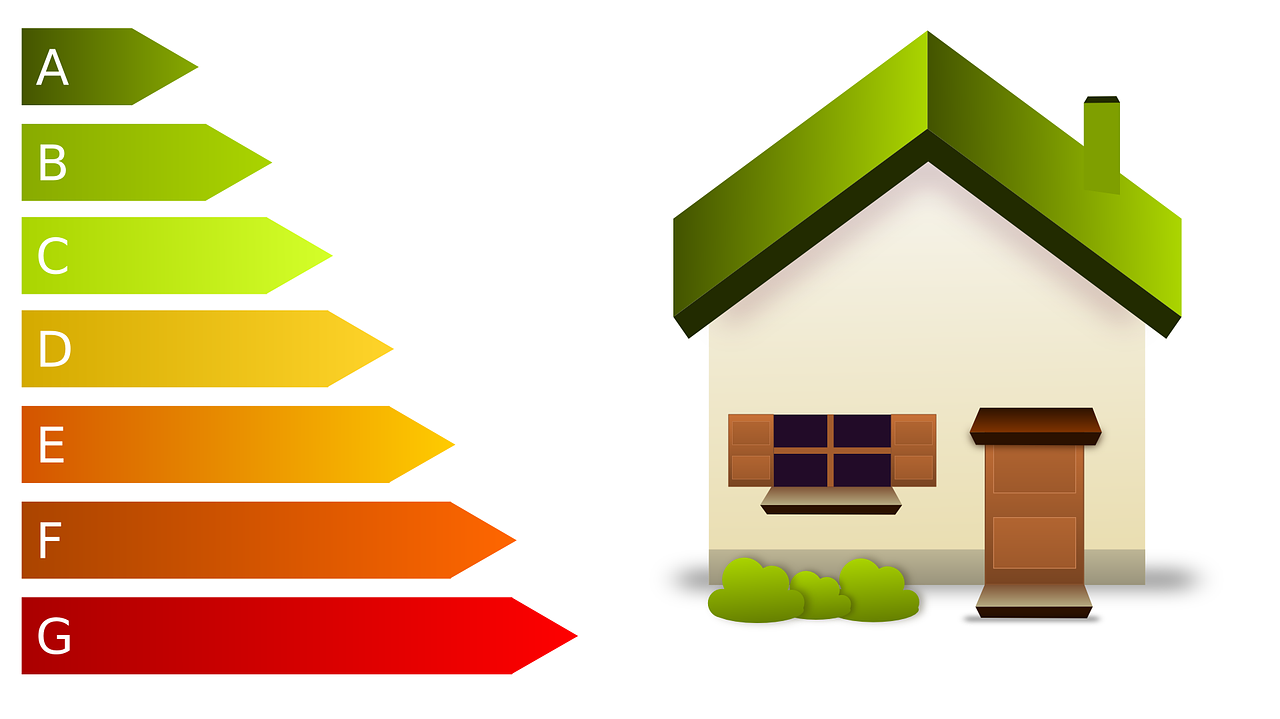
In addition, there is talk of a reduction in the IBI (local taxes) for properties in the better bands. So buildings with a good energy efficiency rating will pay lower taxes and have lower running costs, increasing the market value.
But the real beauty of an energy-efficient home is it‘s incredibly comfortable: warm in winter, cool in summer, and all without burning money (or fossil fuels). Good insulation is an important part of this and will protect you equally from the heat as from the cold. It will also provide sound insulation and help make your life calmer and more peaceful.
Bear in mind that remote country properties may not be connected to the mains electricity, water, and sewerage and it may not be practical to do so, meaning an off-grid solution might be necessary. Fortunately, you can still have all the mod cons with a home that’s not connected to the mains, but this has important implications for the cost and design of the renovation.
It requires some thought and careful planning, but homes renovated with energy efficiency in mind are more comfortable to live in because they have to be well designed and well insulated, cheaper to run, and kinder to the environment.
If you want to go completely off-grid, you’ll need to factor the following into your renovation:
- Solar-generated hot water for kitchen, bathroom, heating, and pool
- Electricity from photovoltaic panels
- Diesel generator back-up (if desired)
- Biomass boilers
- Other alternative power sources: wind, hydroelectricity, air and ground source heat pumps…
- Rainwater harvesting and greywater recycling
- Off-grid sewage disposal systems
There’s a lot more to renovating a house in Spain that we can’t possibly fit into this guide, but hopefully, this gives you a brief overview so you can make more informed decisions.
Taking a beautiful old building in gorgeous surroundings and redesigning it around your lifestyle is an excellent way to marry traditional architecture with modern living in Spain.
Still don’t know where to start? Let Eco Vida Homes guide you on your journey to complete your renovation in Spain so you can enjoy the experience with complete peace of mind.